
Lady Luck’s Goldenrod

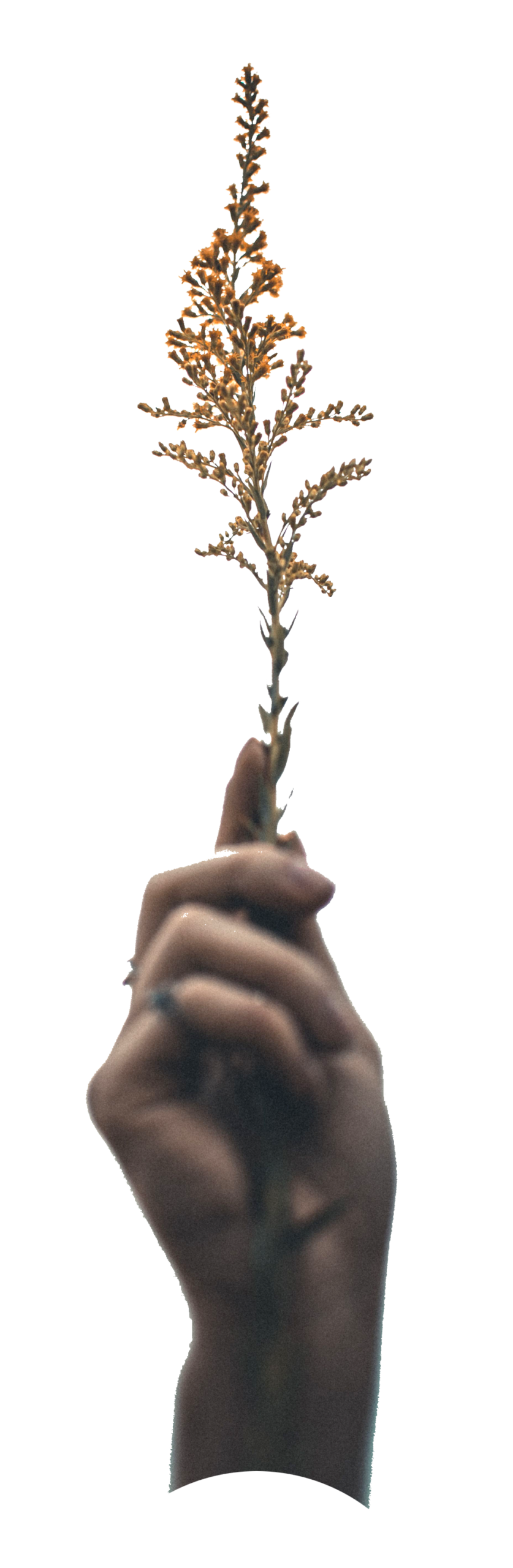
Goldenrod radiates across its native lands of North America in late summer, bridging the seasons as we say farewell to warmer days and welcome the first hints of autumn.
There are over seventy varieties here ~ some salty like the seaside species of the East Coast, others resinous from desert regions in the Southwest. Across the Atlantic, Europe, by contrast, has only one indigenous species. Once a renowned woundwort, it was largely forgotten, despite its vibrant appearance when many plants begin to sleep.
Solidago
FAMILY ASTERACEAE
SUNFLOWER FAMILY

Because Goldenrod is prosperous where sunlight meets open air ~ fields, meadows, roadsides ~ it is seen as a boundary plant, growing at thresholds between the cultivated and the wild. This makes it an intermediary herb, carrying intentions to the unseen realms, and bringing back guidance and clarity. A mediator between worlds, Goldenrod’s very nature mirrors its medicine: to return to wholeness.
Its Latin name, Solidago, means “to bring together,” a reflection of its long use in mending the body back into harmony. Healing, as Goldenrod teaches, is not just about remedying what is broken but remembering what belongs together ~ body + land + spirit.
DomainS
 Urinary
 Respiratory
 Skin
Skin
Energetics
 Warming
 Drying
 Dispersive
Tissue States
 Damp
Damp Cold
Cold Stagnant
 Relaxed
FLAVOR
 Bitter
 Astringent
Aroma
 Resinous
 Honeyed
INDICATIONS
Allergies ✸ Bladder Irritation ✸ Conjunctiva ✸ Cold & Flu ✸ Cold Stomach (inactive digestion) ✸ Edema ✸ Exhaustion ✸ Skin Injury (bug bites & stings) ✸ Sinus Infections ✸ Kidney inflammation (nephritis) ✸ Kidney Stones ✸ Upper Respiratory Congestion
ACTIONS
Anti-inflammatory ✸ Anti-fungal ✸ Antimicrobial ✸ Antiseptic ✸ Astringent ✸ Aquaretic / Diuretic ✸ Carminative ✸ Decongestant ✸ Diaphoretic ✸ Expectorant ✸ gentle Nervine ✸ Spasmolytic ✸ Vulnerary
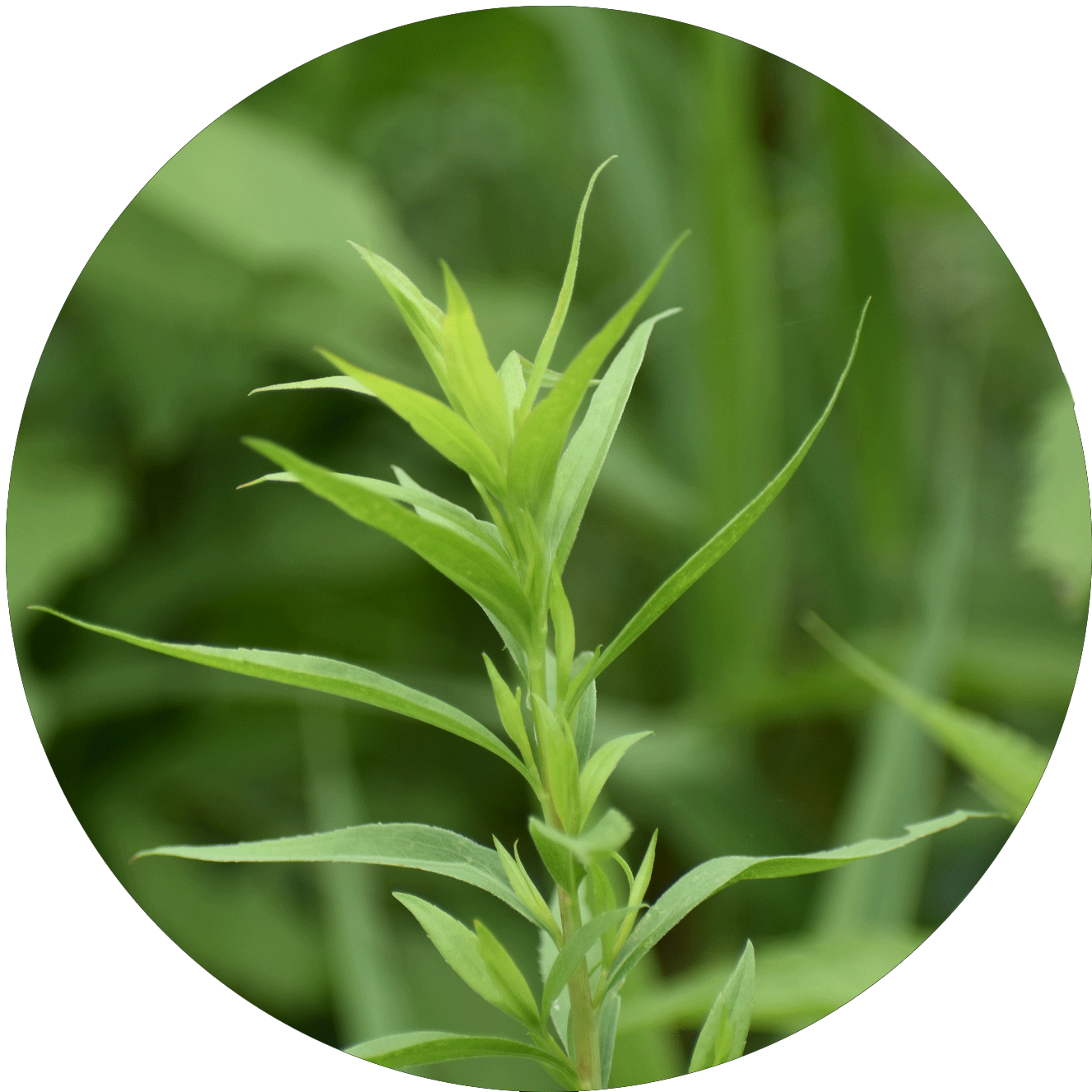
Leaves
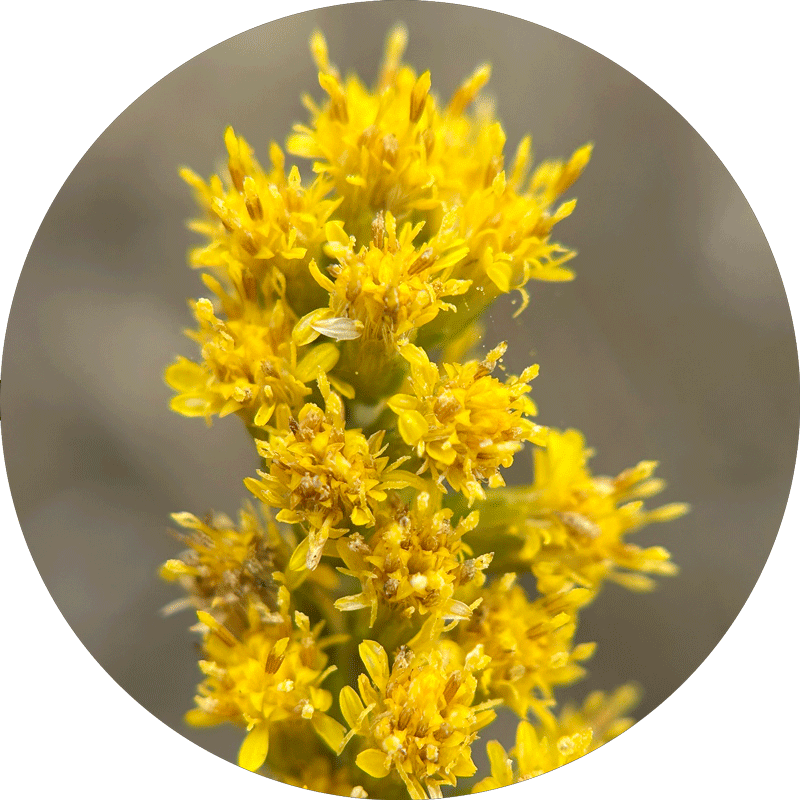
Flowers
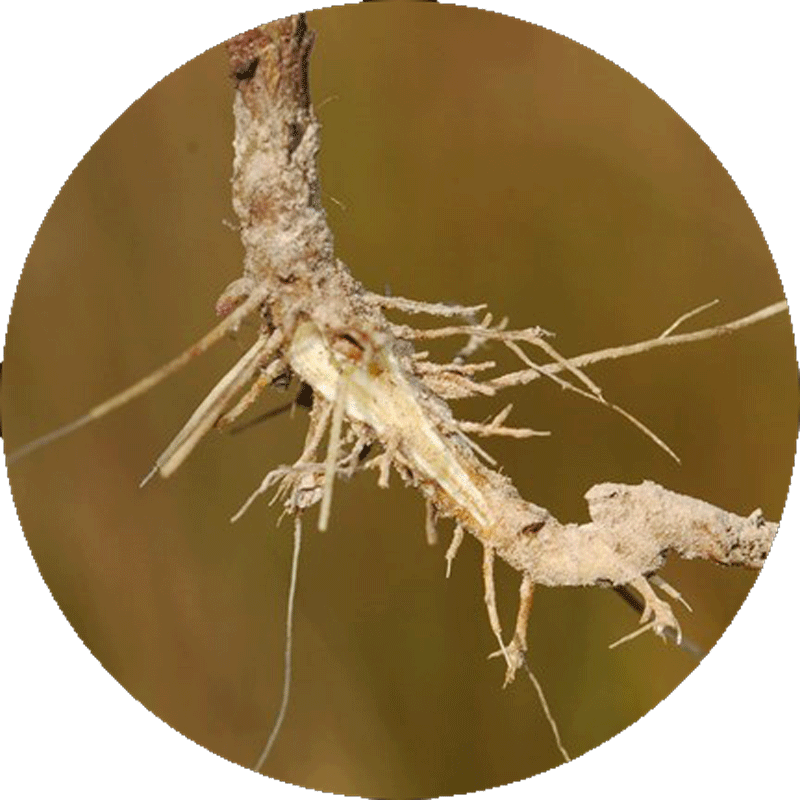
ROOTS
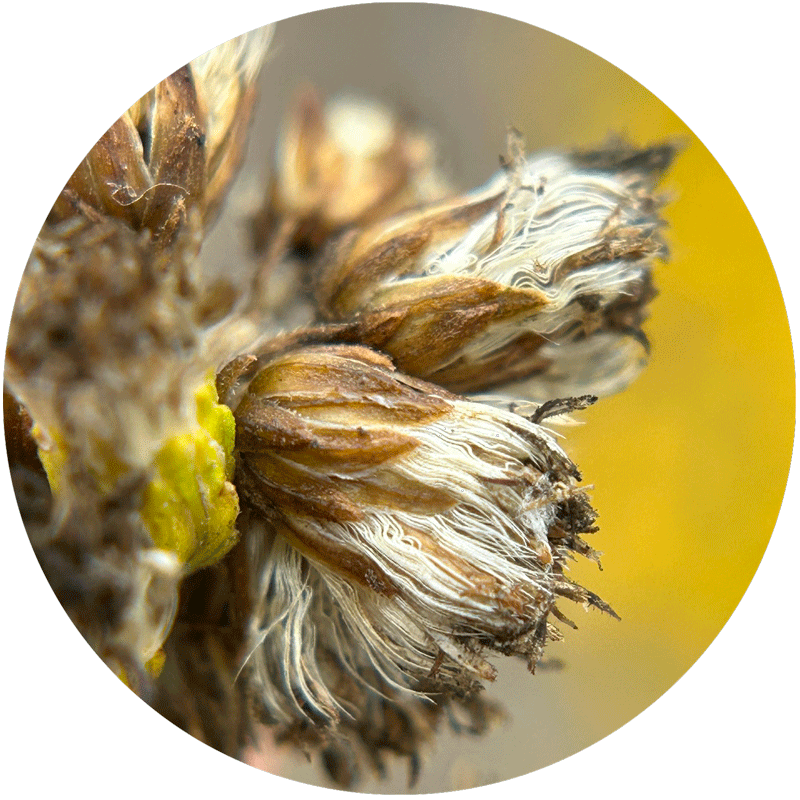
SEEDS
Element
 Air
Air Fire
Fire
POLARITY
 Yang
Yang
ENERGY VORTEX
 SOLAR PLEXUS
Celestials
 Jupiter
 Sun
Sun Leo
Leo Waxing
Gifts
Propserity
Abundance
Wealth
Luck
Friendships
Joy
Guidance
The land hums when Goldenrod blooms.
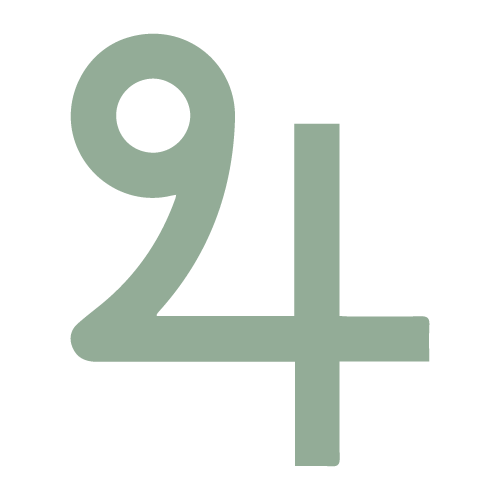
Bees ~ including eleven native species that seek this plant specifically for their diet ~ among butterflies, moths, beneficial wasps, leaf hoppers, midges, flies and beetles all come to indulge. Its presence is a sign of ecological richness; where Goldenrod prospers, the land is lively and generous. In astrology, the herb is often aligned with Jupiter, the planet of abundance, expansion, and blessings. Like Jupiter, Goldenrod gives freely ~ nectar, pollen, medicine, and color.
From this generosity, we see fortune. Goldenrod’s sudden appearance in fields or along one’s path is taken as a sign of incoming luck or hidden treasure beneath the Earth, thus, it is known as the “treasure seeker.” Some believe it points toward buried gold or natural springs and wells.
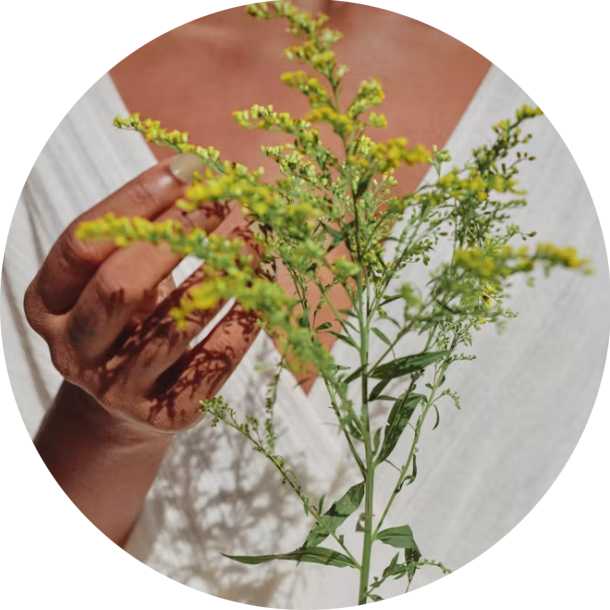
Goldenrod doesn’t hoard its riches.
Planting it by the door or hanging a wreath of dried stems is said to invite wealth, peace, and positivity into the home, while burning dried flowers gently refreshes and renews the surrounding air. A warm-yellow dye made from its flowers can color natural linen or cotton ~ enhancing the potency of its luck.
So favored for its fortune-bringing nature, its stalks are used as dowsing rods, believed to bend toward what one seeks and uncover hidden paths. Observing the direction the plant leans in the wind is thought to indicate the way forward or offer guidance in times of decision. When held in hand, it is said to nod toward lost objects. Water-diviners and folk magicians cut Y-shaped Goldenrod stems to use as dowsing rods, believing the plant would tremble or dip over hidden springs, water, and precious metal seams like tin.
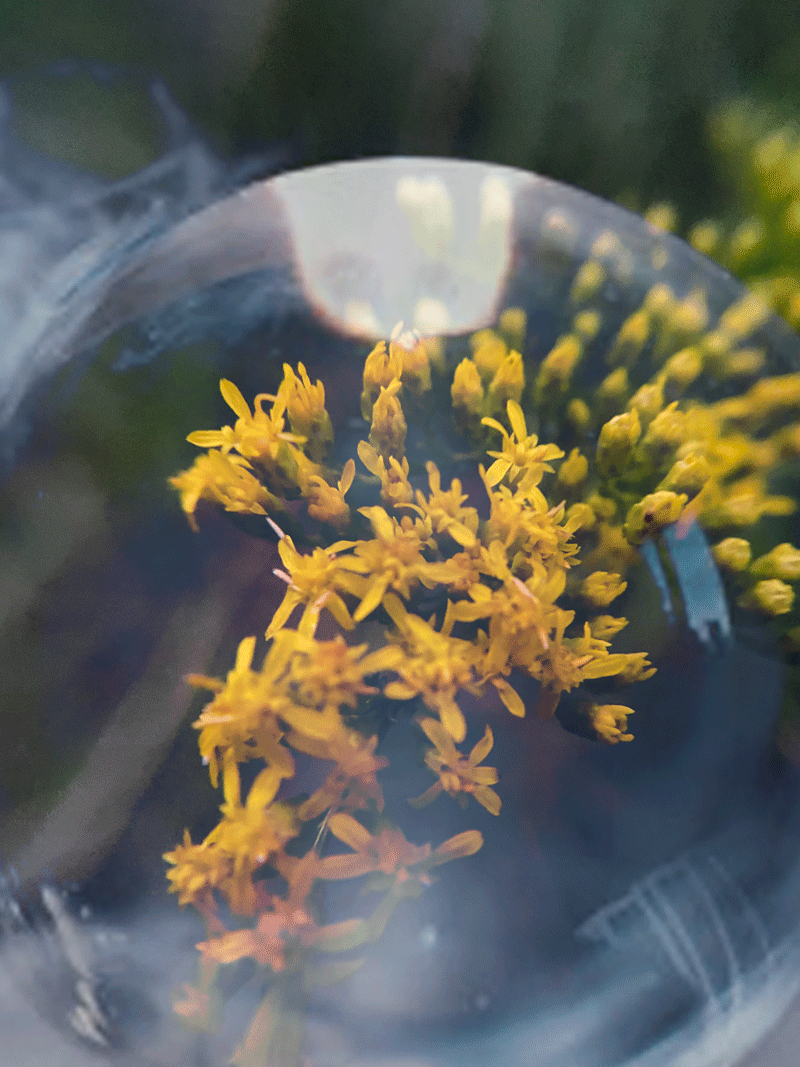
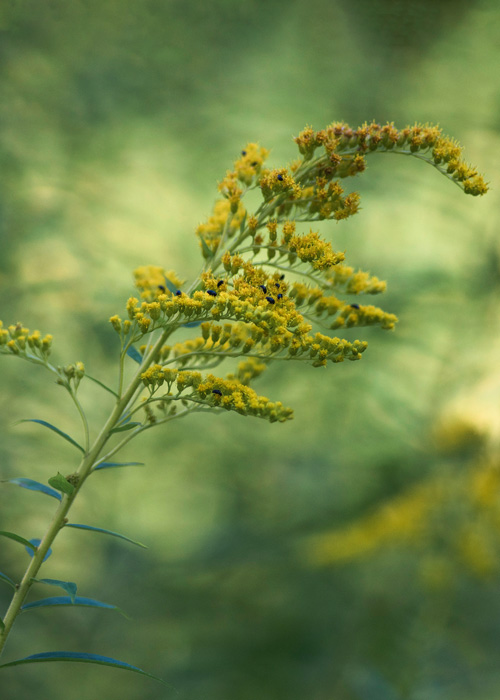
Goldenrod contains about 7% rubber naturally. Because of its high rubber content, the herb is associated with resilience, recovery, and rebounding ~ whether through adapting to challenges or finding strength after loss, grief, or hardship.
It’s is a joyous herb who’s bright color alone uplifts one’s spirit. The flashy spires begin to bloom at the height of Leo season, when the Sun is loud ~ a burst of gold as summer wanes and other plants begin to fade. The yellow flowers are a medicinal signature pointing to its usefulness with urinary ailments, particularly those involving the kidneys. It’s often sought out when kidneys are exhausted and can’t process the buildup of waste material. Goldenrod helps draw blood into the kidneys and brings them back into a balanced, healthy state.
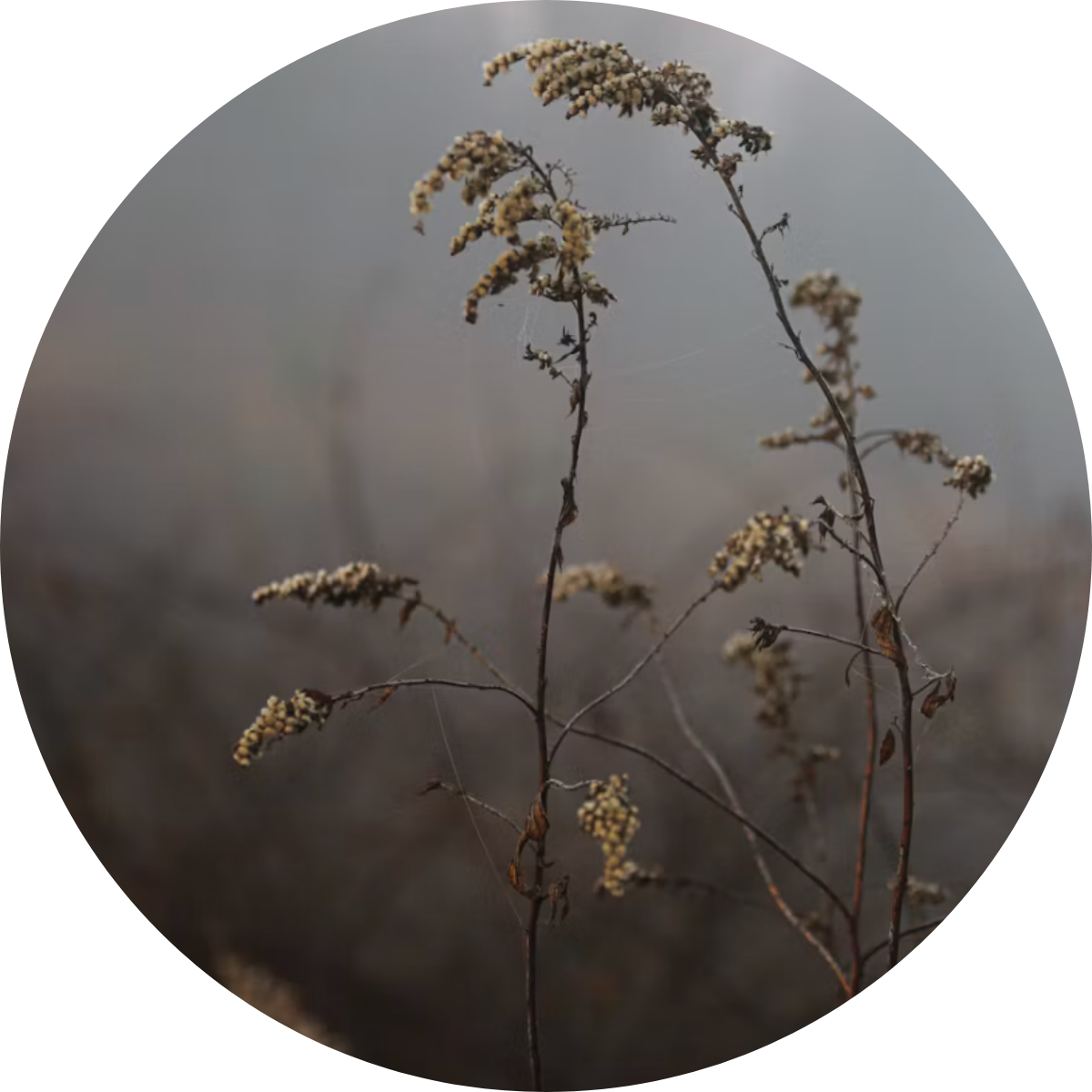
Often shunned for its false reputation as an allergen, Goldenrod is actually innocent and a gentle ally for seasonal sensitivities. Its spores are too heavy to travel, while a single Ragweed plant can produce up to a billion pollen grains per season. These grains are light, dry, and carried for miles by the wind, the true culprit behind hay fever havoc. When Ragweed is causing mischief, we are in luck to have Goldenrod as remedy at our side.
 RESPIRATORY SYSTEM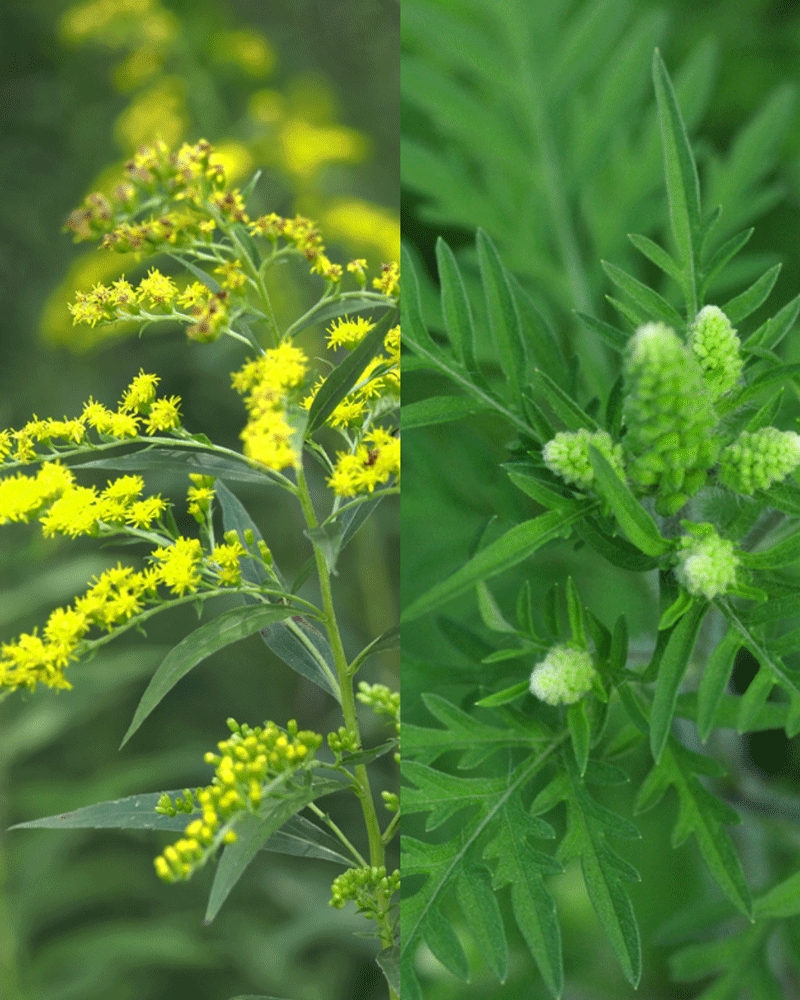
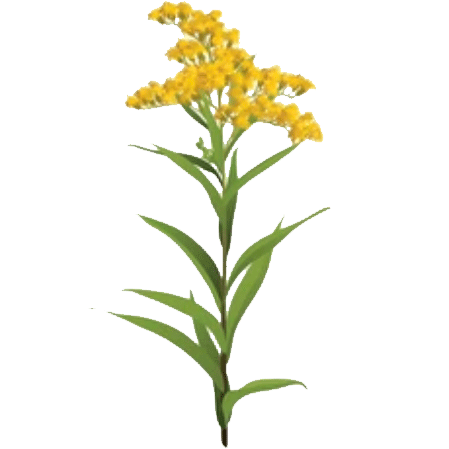
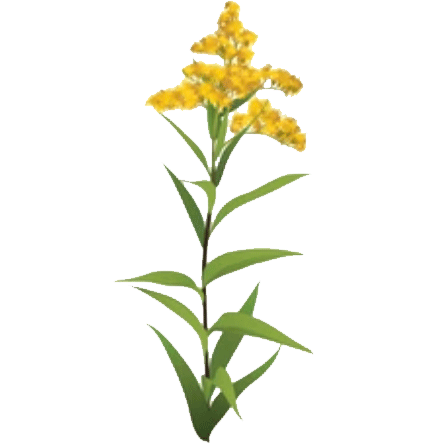
Goldenrod (left) | Ragweed (right)
Because of its reputation for drawing luck, Goldenrod found its way into daily ritual. It was historically used in spells to attract love, deepen friendship, and call in wealth ~ from opportunity and success to literal coins.
But Goldenrod’s reputation for bringing things into a more favorable state extends beyond matters of fortune. Its gift of restoring a sense of wholeness where there is irritation, soreness, or imbalance extends to the very tissues that hold, move, and protect us ~ the skin and musculoskeletal system. It is used to promote glowing skin and as a soothing salve for sore, aching muscles.
 SKIN & MUSCOSKELETAL SYSTEM
Its phytochemicals help brighten and balance skin tone, support skin regeneration & wound healing, provide anti-fungal, antioxidant, anti-inflammatory, and mild antimicrobial benefits, making it especially helpful for acne-prone or irritated skin.
Supports the muscular system by reducing pain, swelling, and spasms, thanks to its antispasmodic and anti-inflammatory properties. This makes it useful for sore muscles, aches, sprains, and uterine cramping.
Goldenrod carries the elements of Fire and Air, giving the herb a warm, drying, and mildly dispersive nature. Fire brings warmth and activation, while Air lends movement and helps prevent stagnation. As a bitter herb, its energy is particularly suited to kindling sluggish digestion.
 DIGESTIVE SYSTEM
As a bitter herb, Goldenrod carries a drying, warming, and astringent energy, giving it an affinity with the digestive system. This makes it a fitting herb for restoring balance when the digestive fire becomes sluggish or excessive. Loaded in antioxidants, Goldenrod has 7 times more antioxidants than green tea!
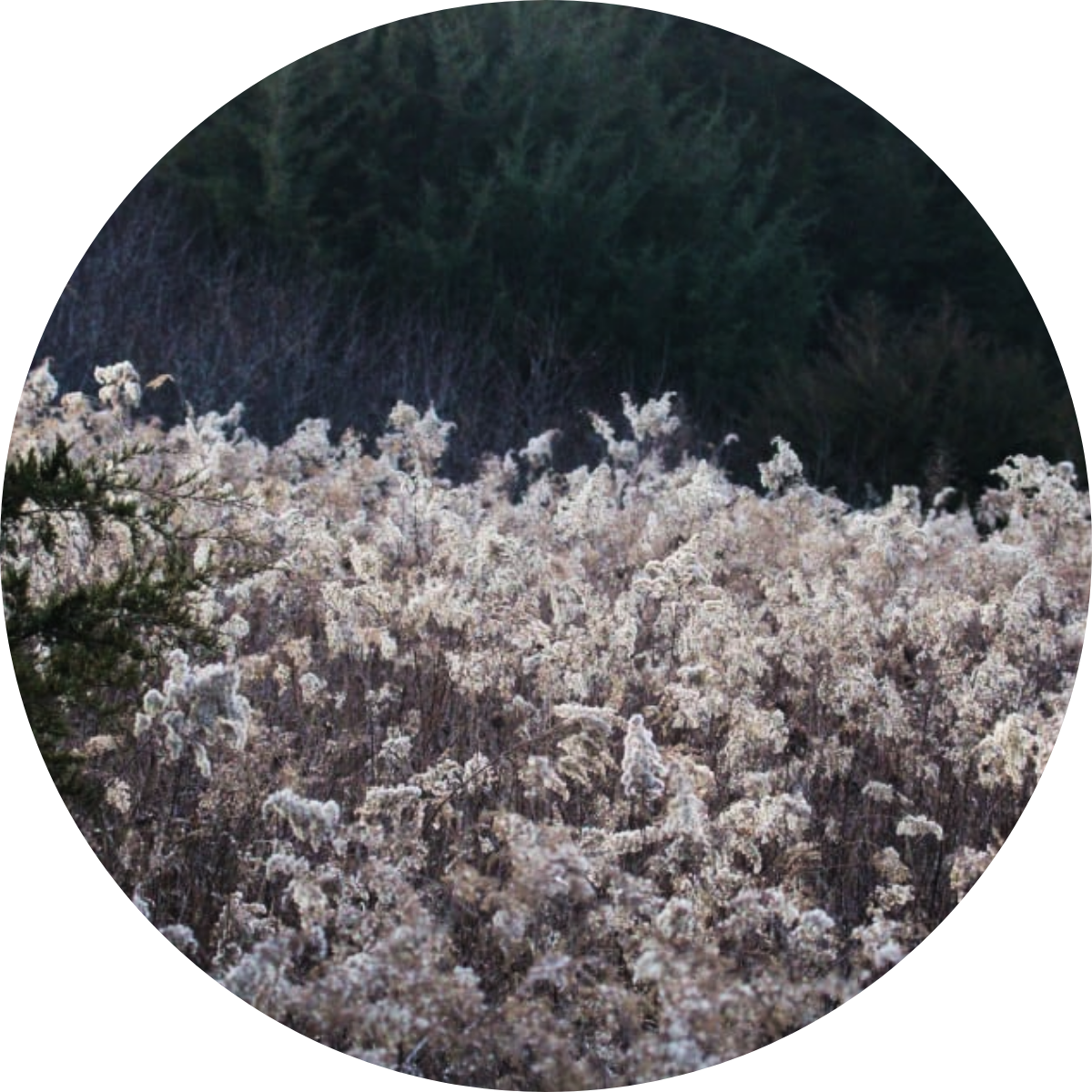
SPECIES
There are a little over 100 species of Goldenrod, with around 75 of them being from North America. Here are the most notable types:
Canadian
Goldenrod
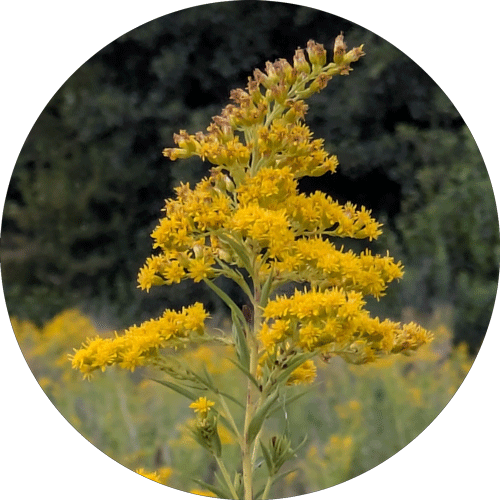
Solidago
canadensis
Extremely common in the wild. Very widespread; often used in meadows and restoration. Sometimes considered aggressive because of its rhizomatous growth.
Sweet Anise
Goldenrod
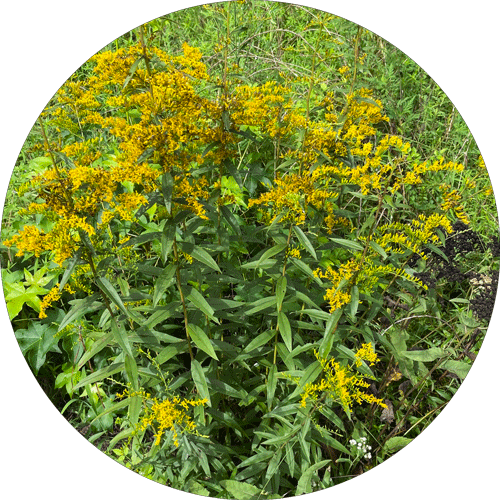
Solidago
odora
Leaves smell of anise or licorice when crushed. Used by Native Americans for tea; medicinal uses. Less aggressive than some goldenrods, making it garden-friendly.
Seaside / Salt-Marsh Goldenrod
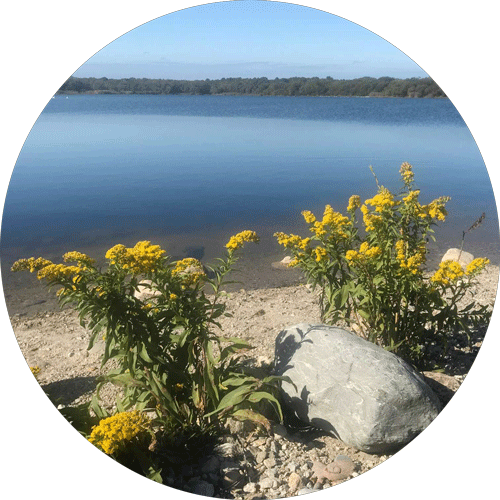
Solidago
sempervirens
Very salt-tolerant, making it ideal for coastal and harsh soils. Popular in native plant and dune restoration projects. Also deer-resistant and attractive to pollinators.
Giant / Smooth Goldenrod
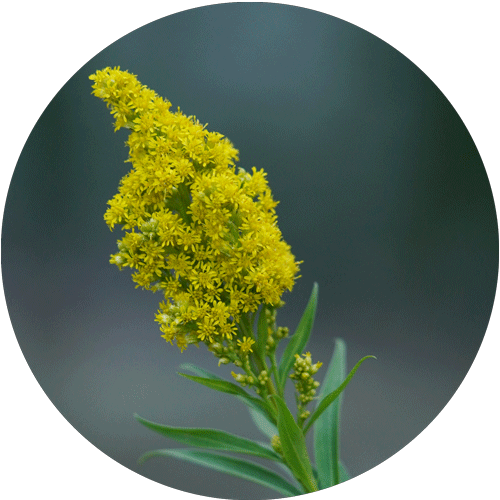
Solidago
gigantea
Known for tall, lush flower clusters. Attracts lots of pollinators; used in naturalized gardens.
Gray / Old-Field Goldenrod
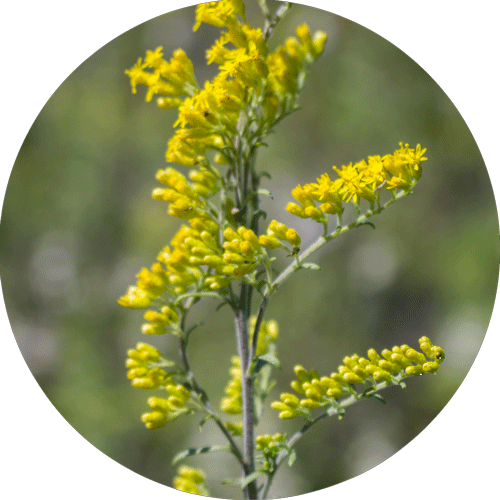
Solidago
nemoralis
More modest in size, very common in dry fields and prairies. Sometimes used for ecological plantings where a less aggressive goldenrod is desired.
Rough /
Wrinkle-Leaf Goldenrod
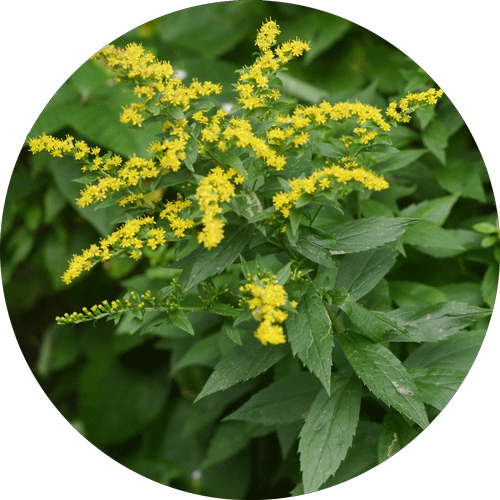
Solidago
rugosa
Very popular in gardens: cultivar ‘Fireworks’ is especially loved for its dramatic, arching flower spikes. Grows in various soils, fairly hardy, and great for pollinators.
European Goldenrod/ Woundwort
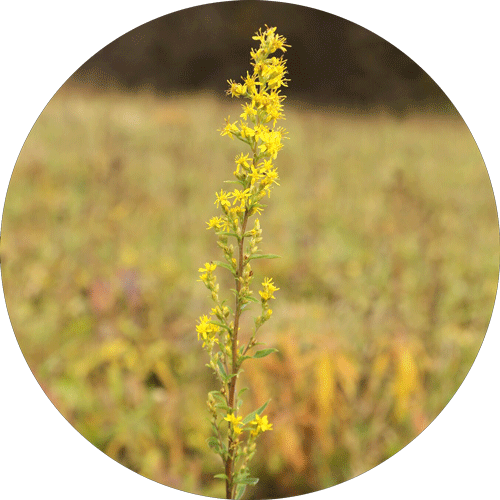
Solidago
virgaurea
The “classic” goldenrod in European herbalism. While not as common in North American landscaping, it’s important historically and medicinally.
Tall
Goldenrod
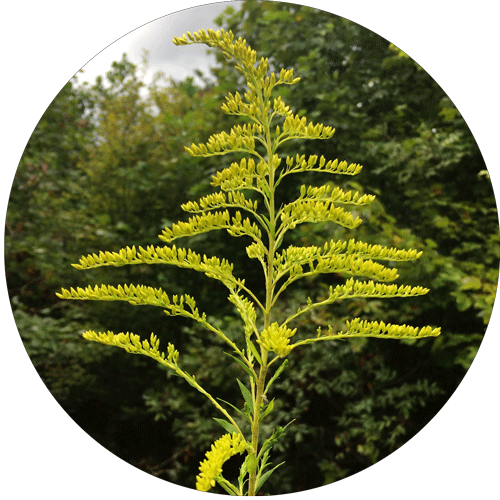
Solidago
altissima
Another widespread North American species, often seen in open meadows.
Stiff‑leaf
Goldenrod
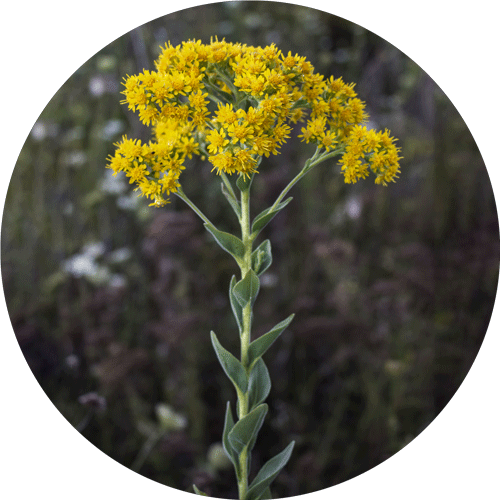
Solidago
rigida
Common in prairies and open habitats; tough, upright stems.
Azores
Goldenrod
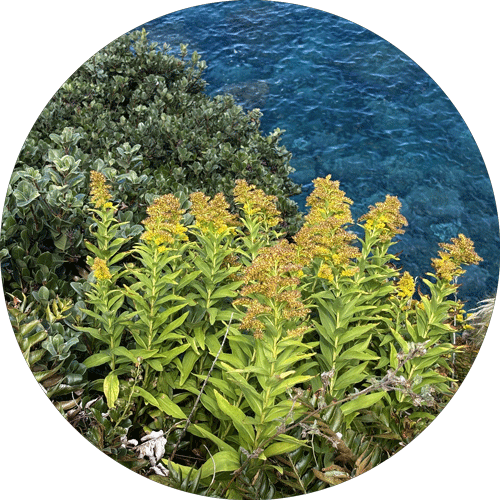
Solidago
azorica
Island species from the Azores; while geographically limited, it’s well-known and ecologically notable.



PREVIOUS
NEXT


Medical Disclaimer
I am not a medical professional.
Rewild + Grow is for informational purposes only. The FDA has not evaluated these statements, and they are not intended to diagnose, treat, or cure any disease. Consult your healthcare provider if you have any concerns, especially if you're pregnant, breastfeeding, or taking medication.
Affiliate Disclaimer
This website is supported by its audience and contains affiliate links. An affiliate link means I may earn advertising or referral fees at no extra cost to you if you make a purchase through these links.


0 Comments